The Margin Illusion: Why Stripping F&B is a Trap (Or is it?)
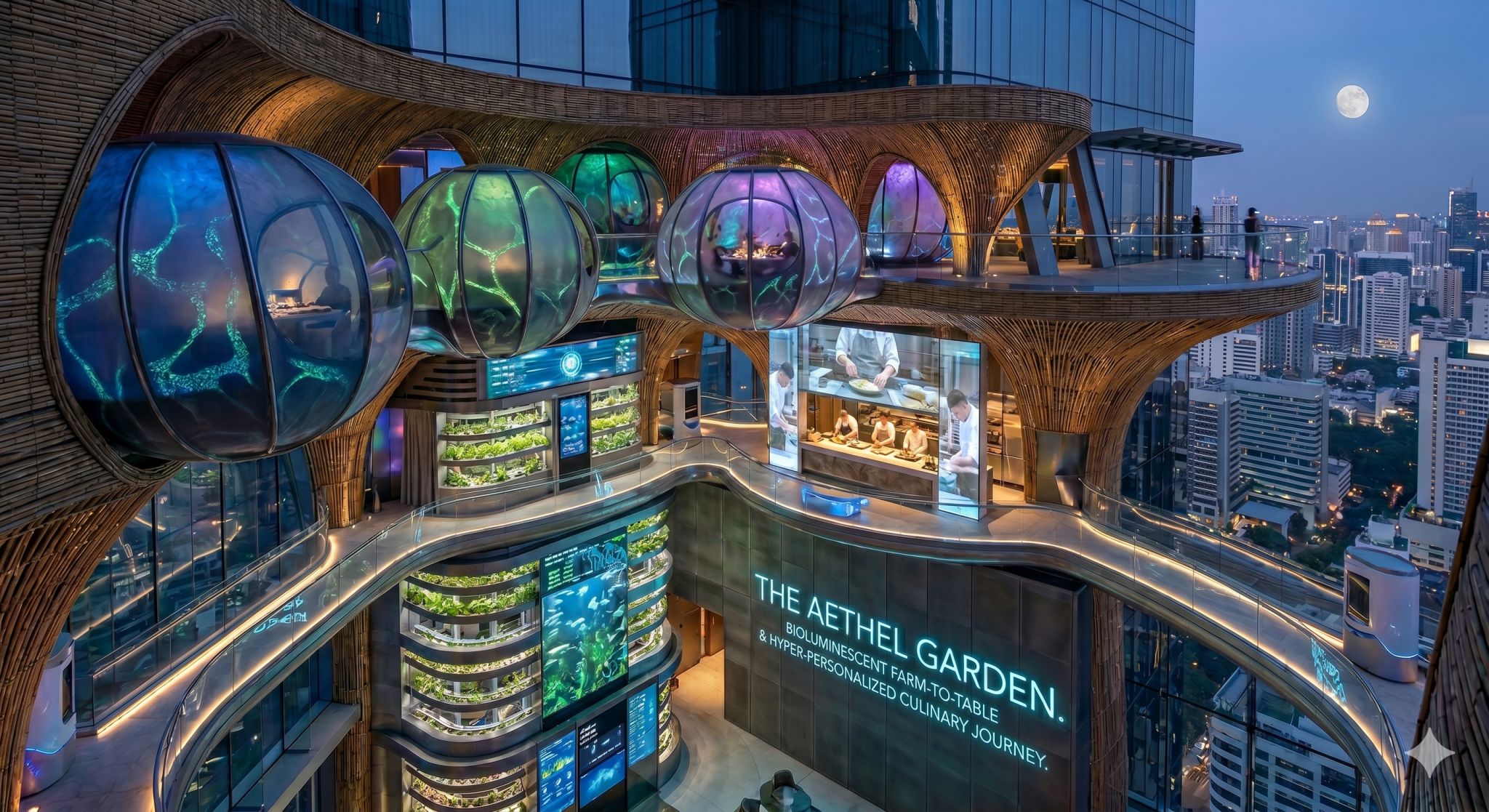
There is a dangerous trend circulating in asset management boardrooms this quarter: the push to strip Food & Beverage and focus exclusively on high-margin rooms.
On a spreadsheet, the math is seductive. Room departmental profit margins typically sit between 70% and 80%, while F&B fiercely fights to break 20% due to surging labor costs, perishable inventory, and supply chain friction. If your goal is to build a dormitory, cutting F&B is the right move. But if you want to build a highly valued, experiential asset that captures the 2026 wave of high-yield regional travelers, treating F&B as disposable is a race to the bottom.
While overseeing both the boutique agility of RIYAZ and the regional scale of RJJ Hotels, I see the long-term damage of this "Margin Illusion" on both sides.
We are no longer operating in an era where RevPAR is the only metric that matters. The most sophisticated institutional capital is now evaluating Total Revenue Per Available Guest (TrevPAG) and Total RevPAR. When executed correctly, a destination F&B concept isn't just a necessary evil—it is the primary engine for placemaking. It is the narrative that justifies a 10% to 20% premium on your Average Daily Rate (ADR). Without it, your property is a bed in a room, competing purely on price and OTA algorithms.
However, the solution isn't to blindly subsidize legacy, loss-making restaurants. The solution is ruthless re-engineering. And this is not a simple task.
As we navigate pre-opening phases in emerging corridors like Luang Prabang, we are throwing out the traditional F&B playbook to protect GOPPAR:
Killing the All-Day Buffet: Transitioning away from massive, underutilized dining halls toward modular, high-turnover concepts with smaller physical footprints.
Hyper-Localized Sourcing: Bypassing global supply chain delays by integrating authentic, community-first culinary experiences that regional travelers actively seek out.
Agile Staffing: Moving away from heavy, specialized culinary silos to cross-trained teams capable of matching peak demand pacing without cannibalizing local talent pools.
F&B is only a financial drain if you run it like it is 2019. In 2026 and beyond, it is your strongest defense against commoditization. And it sets Hotel A different from Hotel B.