Beyond the Logo: The Operational Friction of Mixed-Use Assets
Slapping a global (or local) hotel logo onto a mixed-use blueprint is the easy part. Making sure the brand function within a hyper-localized, multi-layered real estate ecosystem is where the real friction lies.
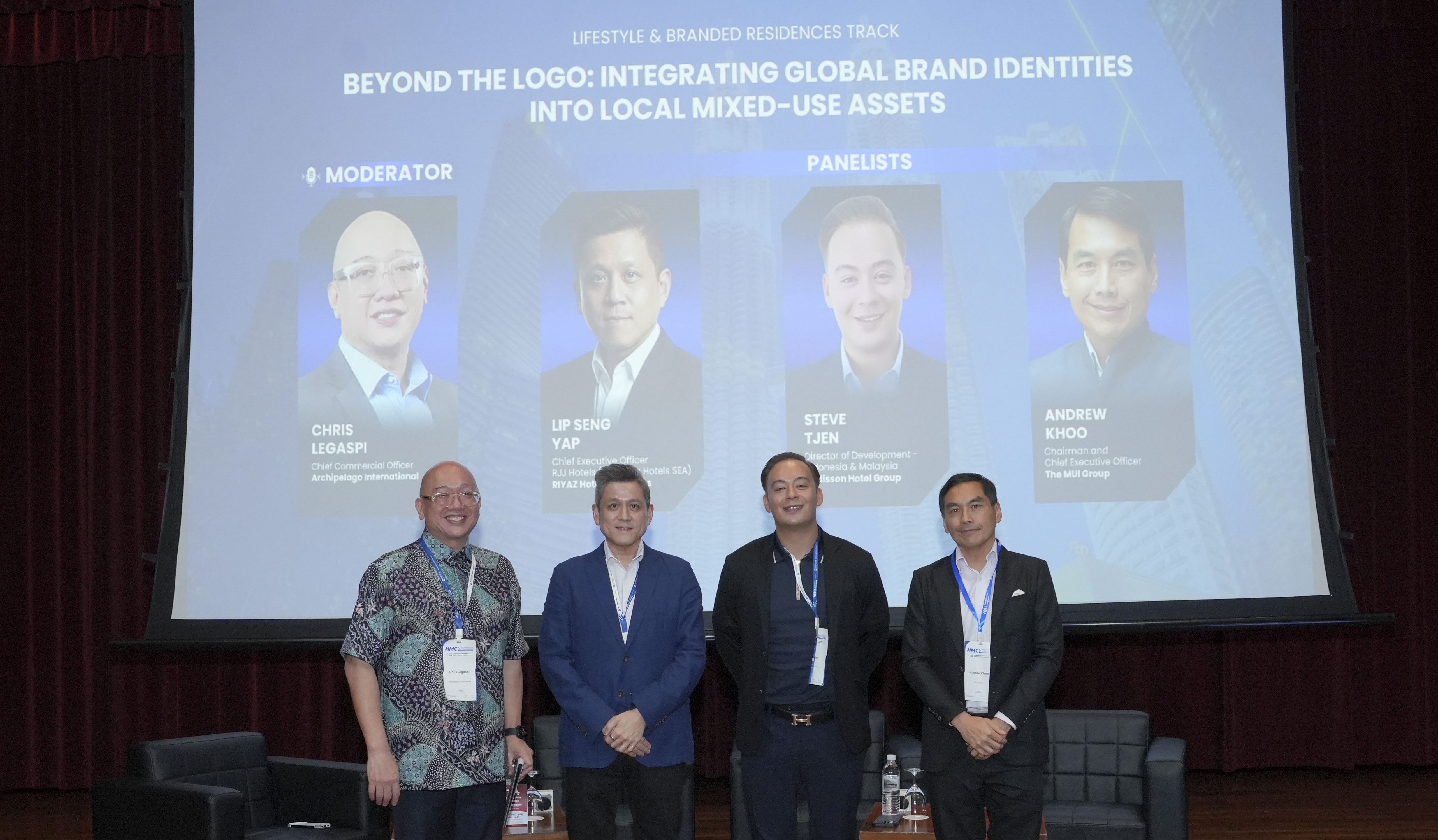
On June 24, I was on stage at the 6th Hospitality Malaysia Conference at the Connexion Conference & Event Centre in Kuala Lumpur. I was a panelist on: "Beyond the Logo: Integrating Global Brand Identities into Local Mixed-Use Assets" alongside Chris Legaspi, Steve Tjen, and Andrew Khoo.
This year's conference theme focuses heavily on investing in design to drive results. But as we navigate the aggressive pipelines of both RJJ Hotels and RIYAZ, the boardroom conversations go far beyond aesthetic design. And when it is a mixed used asset, it complicates things further.
We are dealing with the gritty reality of Technical Services Agreements (TSAs) colliding with localized supply chains. You cannot enforce a rigid, copy-pasted international brand standard in a dynamic, mixed-use environment without actively suffocating the asset's cultural identity and inflating the owner's pre-opening CapEx. First hand experience on this not just in Malaysia but a couple of projects we are working on in Vietnam.
When a hotel sits within a broader retail and/or residential ecosystem, the property must serve dual masters: the stringent operational compliance of the brand licensor, and the highly agile, localized demands of the community it anchors, and of course the developer's expectations.
Protecting owner equity in a mixed-use development requires:
TSA Agility: Negotiating brand standards that allow for localized material sourcing and culturally distinct spatial design without triggering default clauses.
Operational De-Siloing: Ensuring that the hotel's F&B and wellness components actively capture non-resident spend from the connected residential and retail nodes, rather than operating as an isolated island.
Yielding the Ecosystem: Integrating property management systems that recognize the total value of the mixed-use environment, moving beyond traditional RevPAR to capture holistic asset performance.