Looking Back: From Industry Survival to Engineering Scale - Crisis & Growth.
Five years ago, my daily reality in hospitality had nothing to do with signing management agreements or walking pre-opening construction sites. It was about fighting for an entire industry’s survival. And it was epic.
During the 2020–2021 lockdowns, serving on the frontlines of industry advocacy at the Malaysian Association of Hotels (MAH) meant staring directly at the raw fragility of our sector. Empty lobbies, shuttered properties, and impossible balance-sheet decisions became the norm overnight. When revenue drops to zero, every illusion in hospitality is stripped away. Vanity metrics, glossy renderings, and optimistic projections mean nothing—only cash flow discipline and structural resilience keep the lights on.
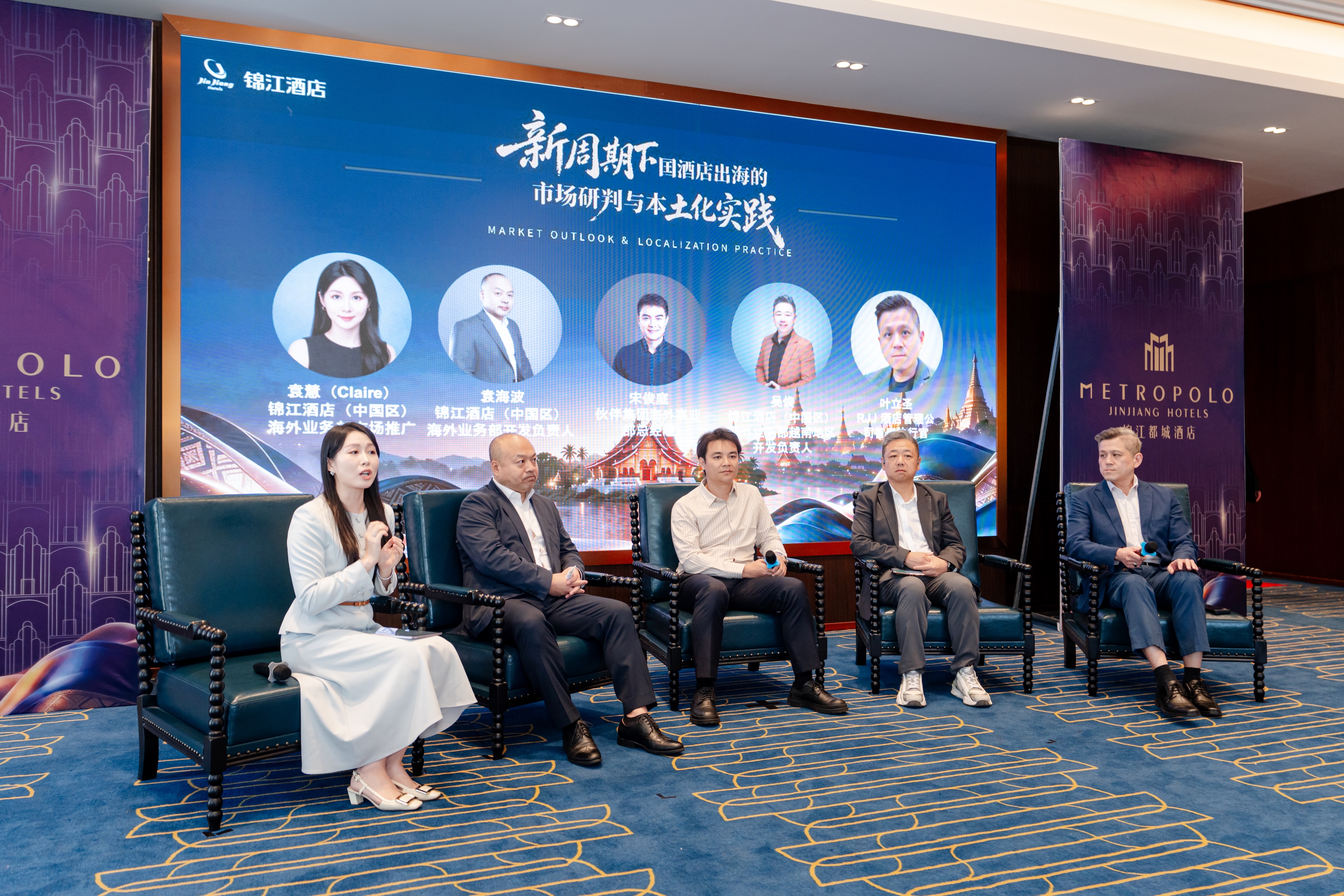
Today, stepping onto pre-opening floors and driving cross-border expansion across Southeast Asia with RIYAZ and RJJ Hotels (Jin Jiang Hotels), the contrast could not be sharper, building regional momentum, connecting international brand platforms like Jin Jiang Hotels with high-potential SEA markets.
Yet the scars from those crisis years sit at the center of every decision I make today, both professionally and personally. They permanently changed how I underwrite risk, partnerships, and even professional relationships:
Reality vs Optimism: Too many hospitality deals are structured assuming perpetual growth. Surviving an industry-wide freeze teaches you that a Hotel Management Agreement or joint venture is only as strong as its downside protections. Aligning owner and operator economics before the ink dries is what keeps partnerships intact when market cycles inevitably turn. Ironically, we are constantly reminded of this by bankers and financial institutions, as they bluntly expressed their lack of confidence in our industry.
Day One OPEX Engineering Realisation: One cannot rescue a bloated cost structure only when a downturn hits. Operational efficiency has to be built into the physical floor plan and staffing model before opening day—never bolted on as an afterthought. We will never know when another crisis will hit.
Reputation vs Title: In hospitality, people are too often judged by the title on their business card before their actual competence is ever tested. Navigating both industry advocacy and commercial C-suite roles showed me how quickly titles lose meaning when real pressure hits. Respect in this industry isn't granted by a designation—it is earned in the trenches through consistent execution, and just as easily lost when ego replaces accountability.
A career in hospitality rarely moves in a straight line, nor does it reward shortcuts. Titles change and market cycles turn, but a lasting hospitality career is built on compounding experience—showing up, solving hard problems on the ground, and earning your seat at every stage.