The "Open Backdoor": Why Integrated Tech Stack is The Biggest Asset Liability.
Look at the regional travel news this week, and the vulnerability of our digital infrastructure is on full display. Malaysia Airlines, Cathay Pacific, and Japan Airlines have all recently reported unauthorized access to customer data.The root cause wasn't a direct hack on their internal servers, but rather a vulnerability within a third-party technology provider: Amadeus.
Because of a flaw in a travel booking display environment, unauthorized parties accessed passenger names, contact details, and in some cases, passport numbers spanning from August 2023 to September 2026.
Similar breaches were also reported early September with two luxury properties, in Singapore and Thailand, both targeted within days of each other, by ransomware claims, Eclipse and Krybit.
While financial data remained secure (except for the latest hack on Binance involving over USD6 billion), the operational lesson is glaring. This isn't just an aviation problem; it is a massive warning siren for hotel asset managers.
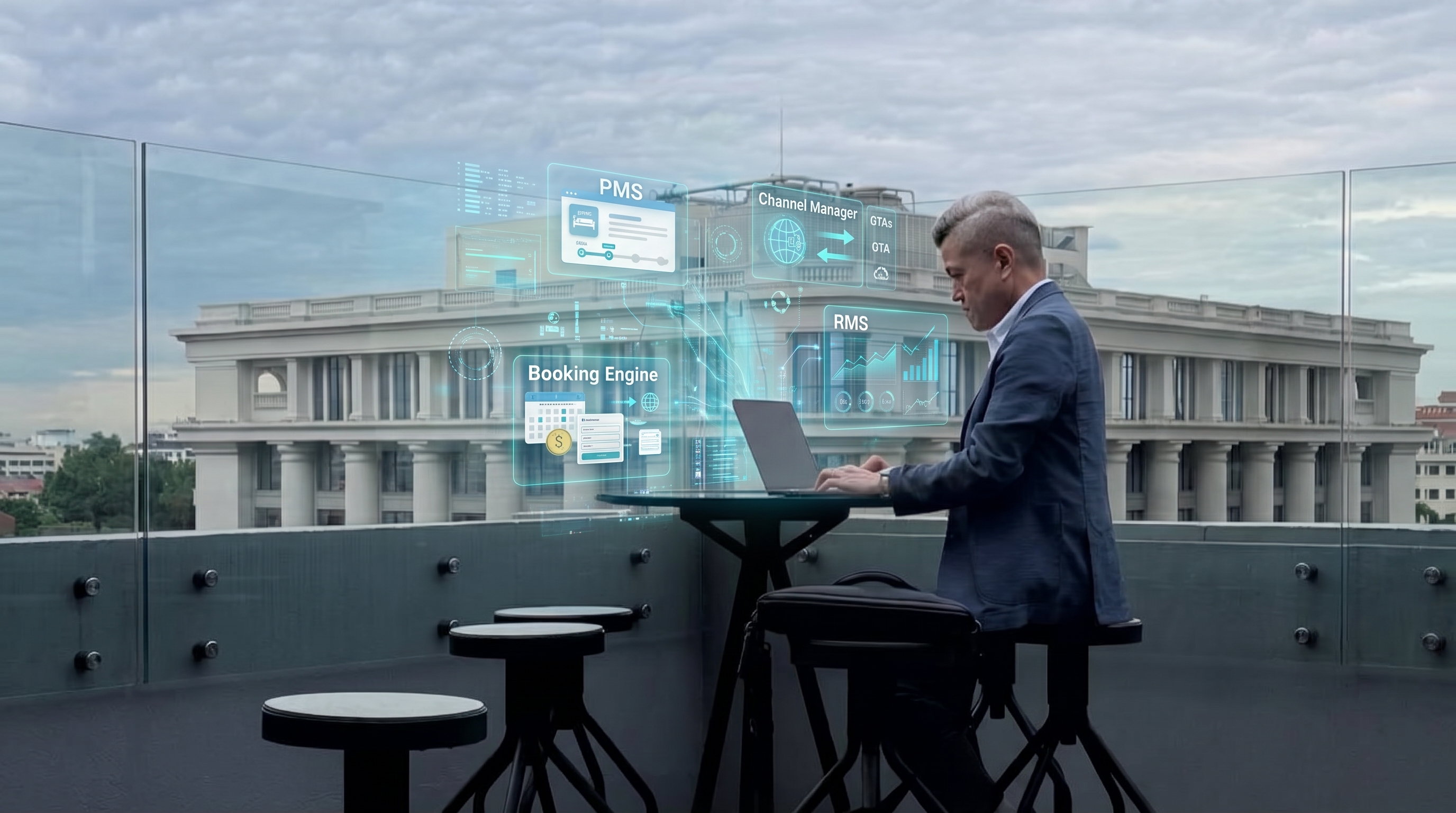
In our rush to optimize GOPPAR, we demand total operational connectivity. We want the Property Management System (PMS), Channel Manager, Revenue Management System (RMS), and booking engines talking in seamless, real-time loops. But in building this hyper-connected grid, we have unknowingly built a fragile attack surface. If our core PMS is fully integrated with a vulnerable third-party vendor, their breach becomes our liability.
Whether it is RIYAZ or Jin Jiang properties managed by RJJ Hotels, I no longer view cybersecurity as an "IT department issue." It is a hard asset-protection mandate. To protect our property's valuation and guest trust in 2026, we executed three immediate security resets:
Zero-Trust Third-Party Integration: Full audit on API connections and mandate that third-party vendors adhere to your security perimeter, not the other way around.
Data Compartmentalization: A channel manager, as an example, needs to know room availability and rates; it does not need access to historical guest profiles or passport scans, other than the necessary reservation details it pushes through. Restrict API data-sharing permissions so that a breach in a peripheral third-party system cannot extract our core guest data.
The Mandatory MFA Moat: A compromised credential is only dangerous if it is the only key to the door. Mandate Multi-Factor Authentication (MFA) on every single internal and external account that touches your operational grid.
A strong tech stack isn't just about maintaining rate parity across distribution channels. It is about having the operational discipline to keep the digital front door locked.