The Conversion Capital Shift: Why Ground-Up Development is Losing Ground in Southeast Asia.
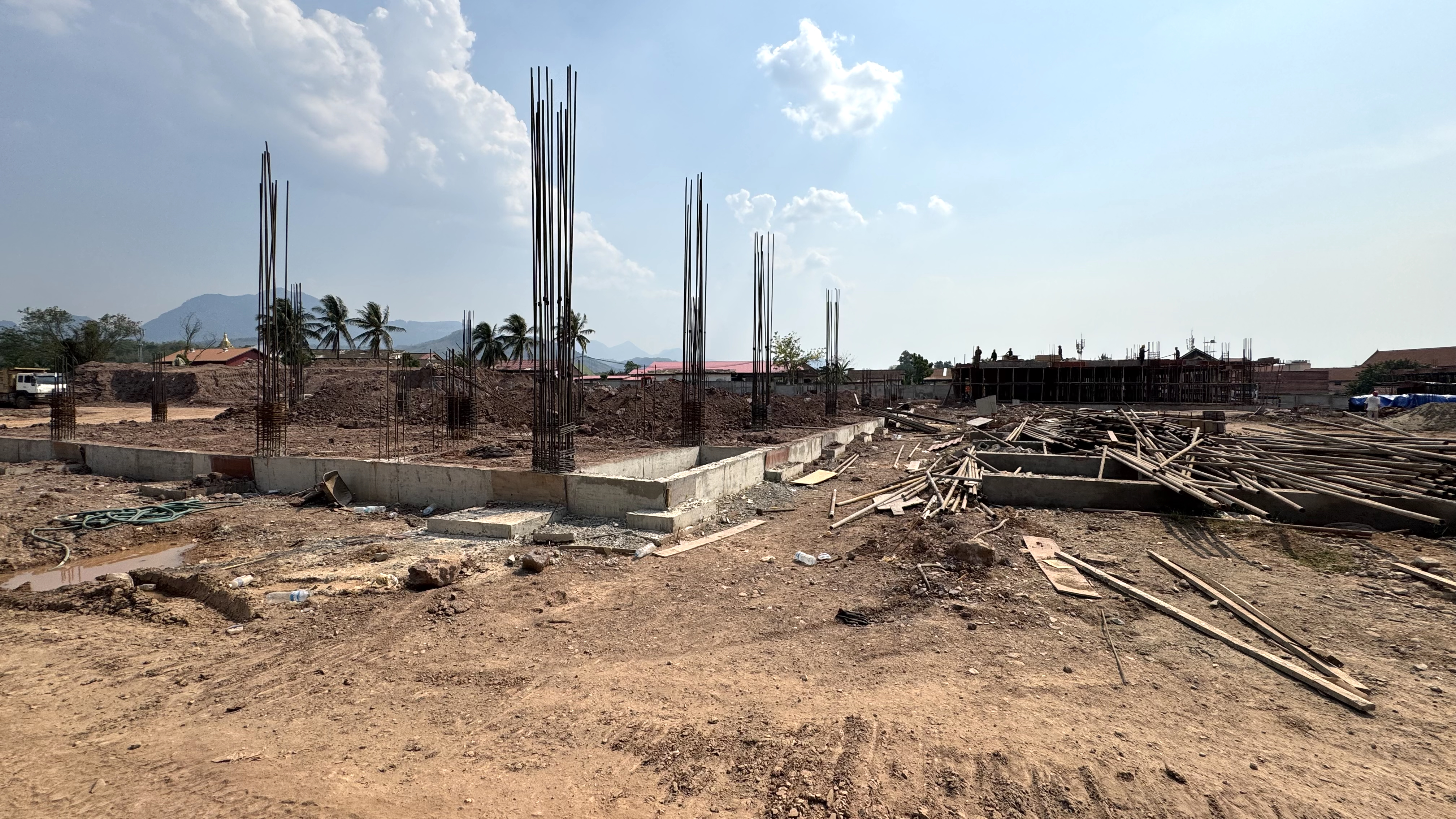
For years, the Southeast Asian hotel pipeline was defined by a single obsession: "New Dirt." If you weren't breaking ground on a brand-new tower or a multi-hectare greenfield resort, you were seen as standing still.
The latest mid-year 2026 hotel development metrics tell a radically different story.
Data released this month by Horwath HTL and regional development leaders across Centara, IHG, and Accor confirms a massive structural pivot: Ground-up new builds are losing share across the ASEAN corridor, dropping from 80% of secondary-city development deals pre-pandemic to nearly 60% this year. The remaining share is being aggressively swallowed by Hotel Conversions, Re-flagging, and Adaptive Reuse. This is also evident as we reach out to investors in the region, both for the expansion of RIYAZ and Jin Jiang brands.
With high borrowing costs, prolonged construction timelines, and volatile CapEx environments stretching greenfield timelines past 36 months, the arithmetic for new-builds is becoming increasingly difficult for institutional capital to justify.
A conversion isn't just a quicker path to key count—it is a ruthless exercise in operational re-engineering. Slapping a new flag onto an old, underperforming asset or attempting to convert underutilized commercial office space into a functioning hotel without an operational overhaul will simply transfer the asset's structural inefficiencies to the new P&L.
To successfully execute a conversion in 2026 and protect your IRR, asset managers and operators must master three tactical realities:
The MEP Audit First: You cannot re-flag an aging independent asset without first auditing its Mechanical, Electrical, and Plumbing (MEP) infrastructure. Upfront savings on a conversion evaporate instantly if your utility load management fails during peak summer occupancies.
Minimizing Downtime: The entire financial case for a conversion rests on speed-to-market. The goal is to execute phased, section-by-section operational upgrades without shutting the doors or destroying the live guest experience.
Rightsizing the Brand Standard: Forcing a rigid, copy-pasted global brand standard onto a unique, pre-existing physical structure inflates pre-opening CapEx. Success requires negotiating brand agility that honors the physical building while elevating its yield per available guest (TrevPAG).
The era of relying solely on "new dirt" to drive regional growth is on pause. The operators and asset managers who win the rest of 2026 won't be the ones holding hardhat ground-breaking ceremonies—they will be the ones with the discipline to extract hidden equity from existing structures.